
BRAKES FINDER
FIND THE RIGHT BRAKES
FOR YOUR VEHICLE
FOR YOUR VEHICLE

Born for extreme challenges
making safe driving more effortless.
Best-Selling Brake Pads
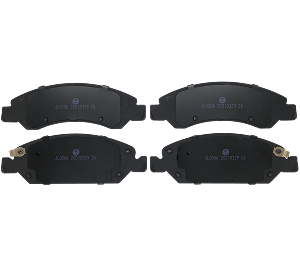
HUSCH Brake Pads: Superior Stopping Power, Less Compromise.
- • Fade-Free Performance: Advanced ceramic formula and engineered slots combat heat, ensuring consistent stops.
- • Quiet & Clean: Experience whisper-quiet braking and significantly less dust for cleaner wheels.
- • Built to Last: Robust construction provides reliable stopping power, mile after mile.



Best-Selling Brake Kits
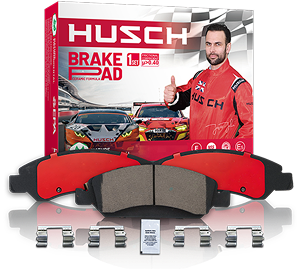
HUSCH Brake Kits: Extreme Performance, Engineered to Excel.
- • Fade-Proof Power: Military-grade composite withstands 800°C, maintaining a stable friction coefficient (0.42-0.45) for reliable stops.
- • Vortex Cooling Tech: Patented design boosts heat dissipation by 60%, eliminating fade in traffic or on track.
- • Whisper-Quiet Stops: Advanced damping and TÜV certification ensure vibration-free, sub-28 dB operation with precise pedal feel.
Best-Selling Brake Rotors
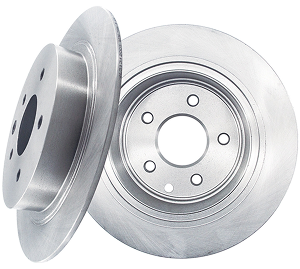
HUSCH Brake Rotors: Superior Cooling, Superior Stopping Power.
- • Military-Grade Composite: Stable 0.42-0.45 friction coefficient (above industry standard). Withstands 800°C for consistent performance.
- • 60% Better Cooling: Patented vortex grooves dissipate heat rapidly, eliminating fade in heavy traffic.
- • Quiet & Precise: Under 28 dB operation with TÜV-certified damping for smooth, linear pedal feel.
Q: HOW DO I KNOW WHEN MY BRAKE PADS ARE WORN OUT AND NEED REPLACEMENT?
Check the thickness of your brake pads. If the thickness is below the manufacturer's specified minimum (for example, below 2mm), or if you hear loud grinding noises or feel a spongy brake pedal, you should replace the brake pads immediately.
Didn't find your answer?
Contact us
Q: WHAT SHOULD I DO IF MY BRAKE ROTORS BECOME UNEVEN OR WARPED?
You can try resurfacing the rotors to smooth out minor imperfections. However, if the rotor's thickness has worn down beyond the minimum safe specification, you must replace it. Driving with worn rotors can cause vibrations, noise, and reduced braking power.
Didn't find your answer?
Contact us
Q: AFTER INSTALLING A NEW BRAKE KIT, WHY DOES MY BRAKE PEDAL FEEL SOFT OR SPONGY?
A soft brake pedal often indicates air in the brake lines or low brake fluid. Check the system for any leaks first. If there are no leaks, the brake system likely needs to be bled to remove air bubbles. Also, check the brake fluid level and top it off to the recommended mark if necessary.
Didn't find your answer?
Contact us
Q: MY BRAKES ARE STILL MAKING NOISE AFTER I INSTALLED NEW PADS AND ROTORS. WHAT'S WRONG?
Some noise during the initial break-in period is normal. If the noise continues, first confirm that the new pads and rotors are compatible. Persistent noise can often be resolved by cleaning the brake components and ensuring the pads are properly seated. If the problem continues, the rotors may need to be resurfaced or the pads replaced.
Didn't find your answer?
Contact us
Q: WHAT REGULAR MAINTENANCE DOES MY BRAKE SYSTEM NEED?
For routine maintenance, regularly check the thickness of your brake pads and the condition of your rotors. Inspect brake lines for any signs of wear or leaks. It's also a good practice to check your brake fluid's moisture content every 5,000 miles or so and replace the fluid according to your vehicle's service schedule.
Didn't find your answer?
Contact us